
What Pest Are You Seeing?
Compare visible pest features and common signs. Photographs can guide a conversation, but species and treatment needs require proper identification.
Call (661) 385-2297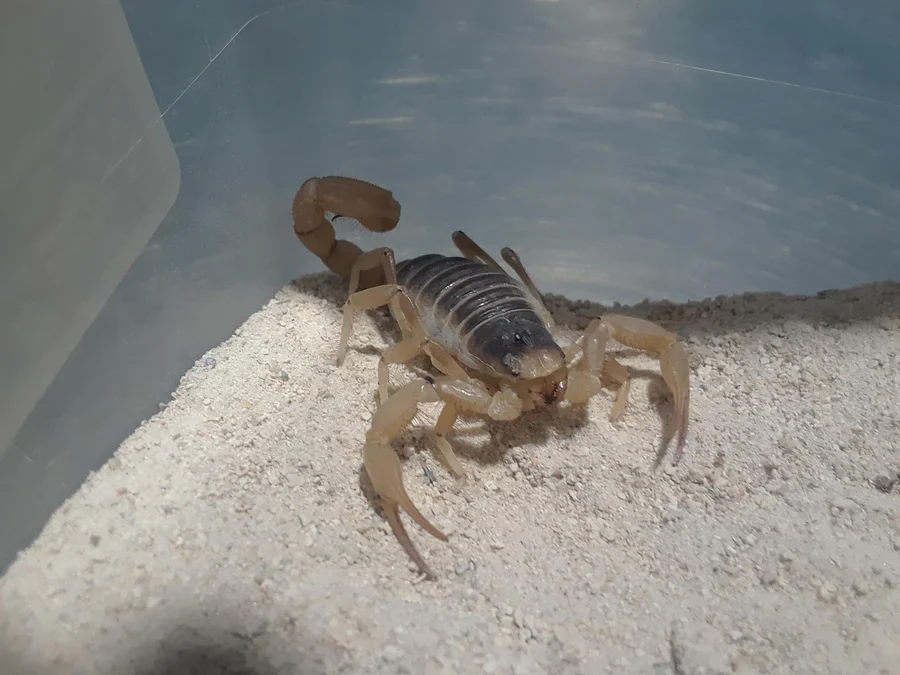
Jbjensen1 · CC BY 4.0. Resized and converted to WebP.

Dllu · CC BY-SA 4.0. Resized and converted to WebP.

Quinsareth · CC BY-SA 3.0. Resized and converted to WebP.

Discott · CC BY-SA 3.0. Resized and converted to WebP.

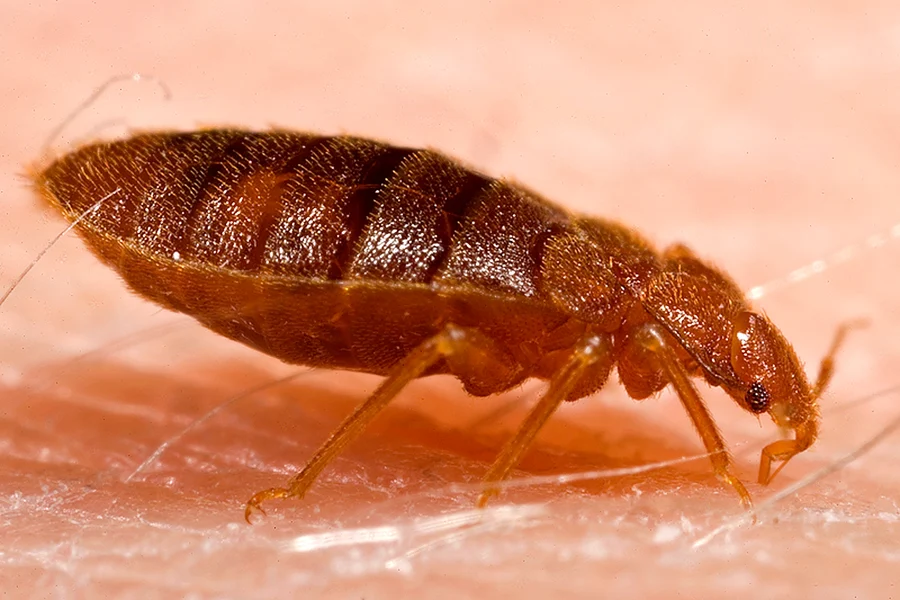
Piotr Naskrecki / CDC and Harvard University · Public domain. Resized and converted to WebP.


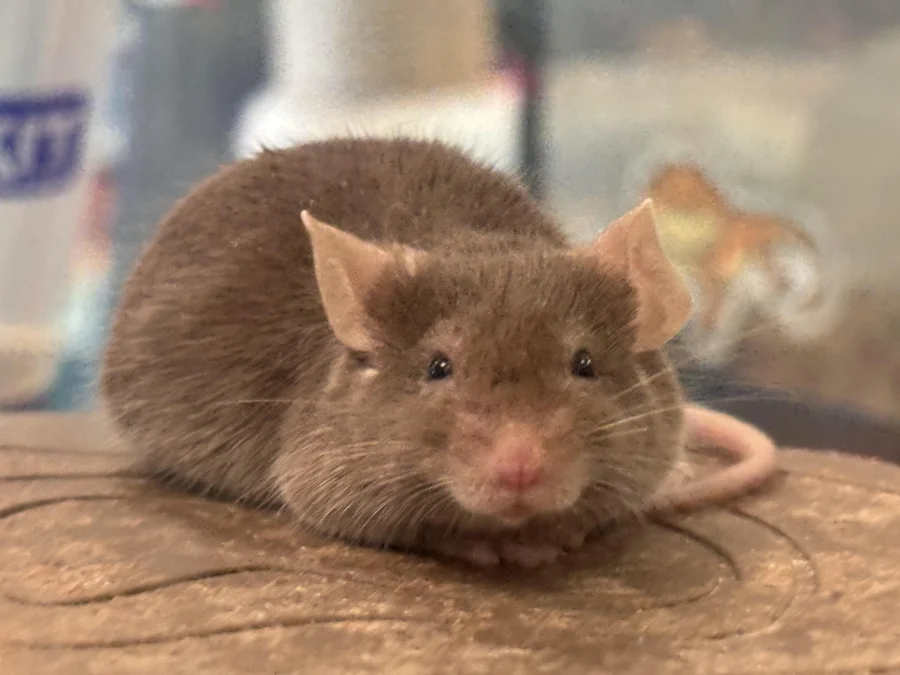
DiegoDiegoDiego555 · CC BY-SA 4.0. Resized and converted to WebP.

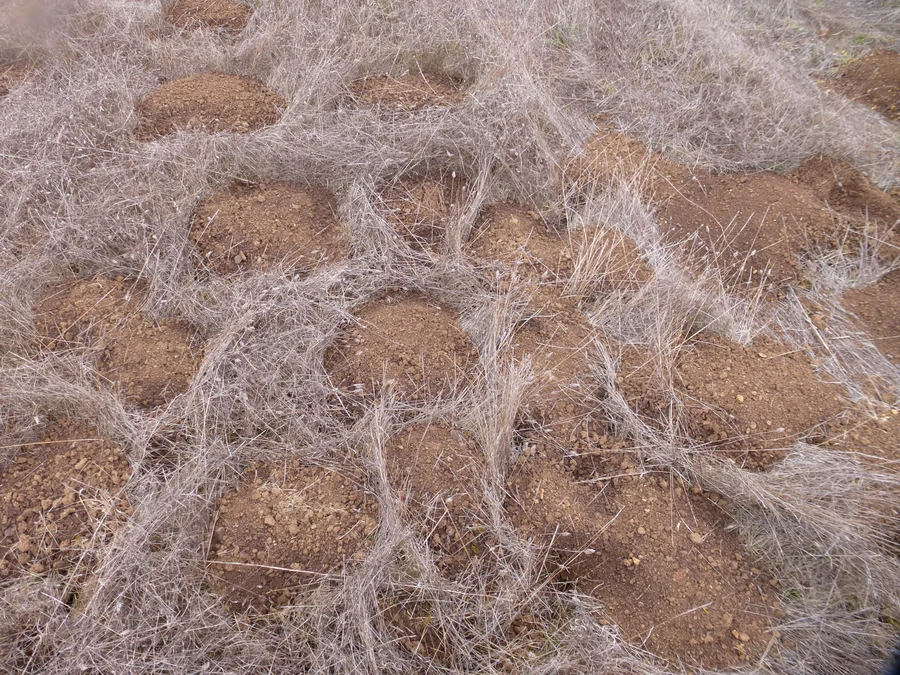
Ian Silvernail, Institute for Applied Ecology · CC BY-SA 3.0. Resized and converted to WebP.

Reference specimens and signs photographed elsewhere; these are not records of local infestations. Photographs do not establish the identity of a pest at your property.
Start with observable details: size, shape, movement, location and the time of the sighting. A photograph taken from a safe distance can help. Do not touch an unfamiliar pest or disturb a nest to obtain a closer image.
Scorpion or a different desert arthropod?
A scorpion has pincers and a segmented tail ending in a stinger. Color and size alone do not establish its species or sting risk. Use a verified reference photo rather than a dramatic generic pest image. Scorpion reference.
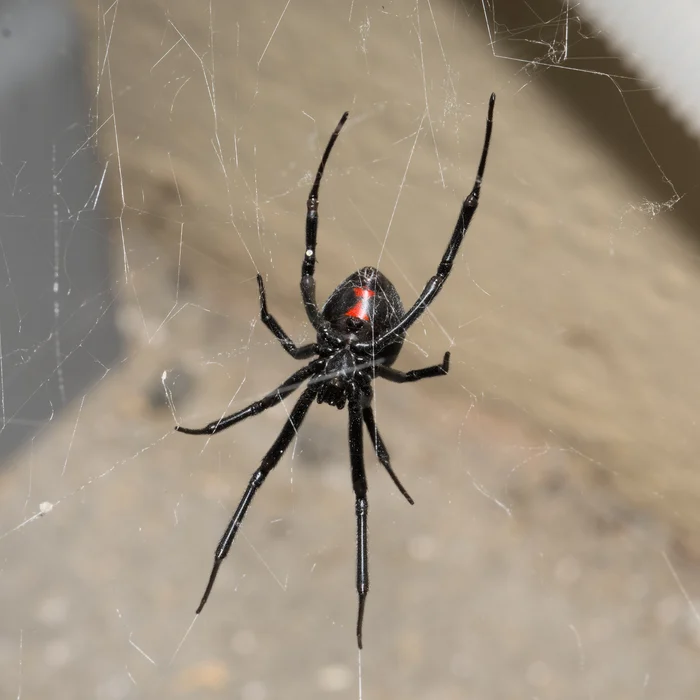
Widow spider or another web-building spider?
Adult female western black widows commonly have a dark, rounded abdomen and a red marking underneath. Juveniles and other widow species can look different. Do not try to turn a spider over to inspect it. Widow identification reference.
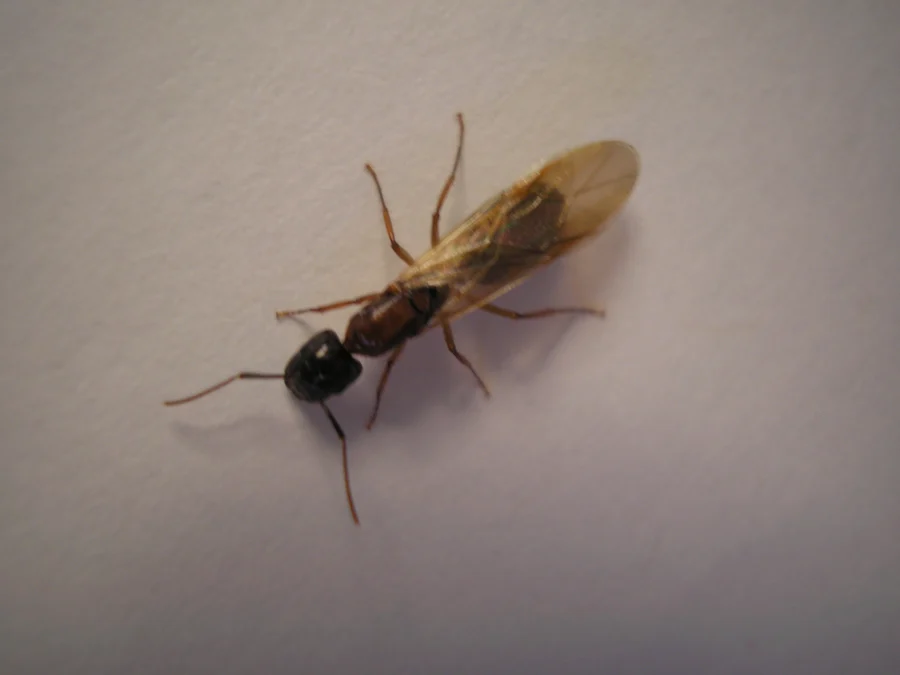
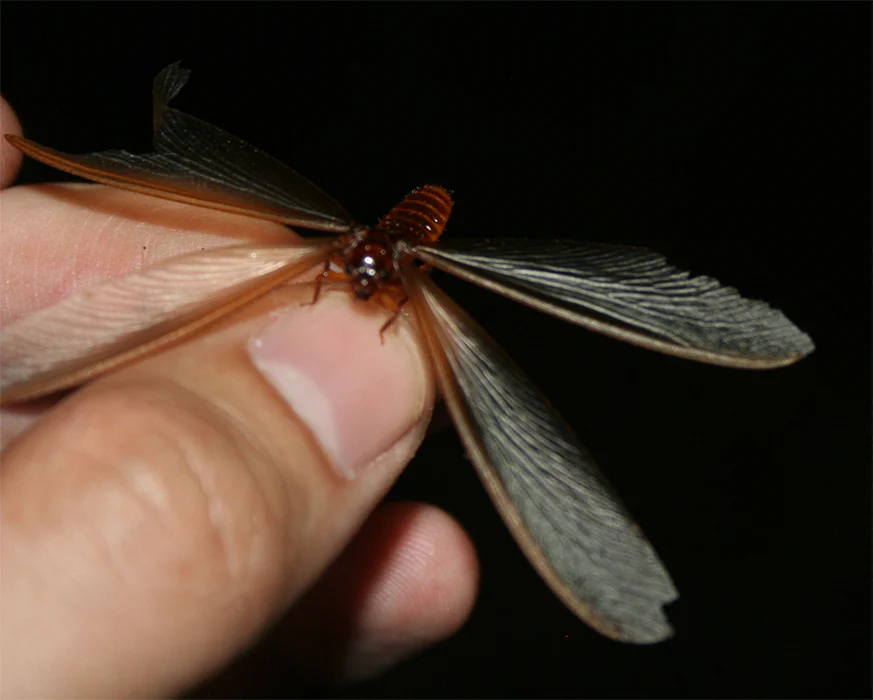
Winged ant or termite?
Winged termites generally have straight antennae, a broad waist and two similarly sized wing pairs. Winged ants have elbowed antennae, a pinched waist and larger front wings. Damaged specimens and poor photos can obscure these differences. UC IPM termite reference.
Bed bug or another small insect?
Adult bed bugs are small, oval and flattened before feeding. Color changes with age and feeding. Bites alone do not establish bed bugs; physical signs and identification are needed. UC IPM bed bug reference.
Mouse activity or an uncertain sign?
Droppings, gnawing and damaged food packaging are reasons to seek assessment. A dropping photograph alone should not be used to identify a rodent species or determine the extent of activity. House mouse reference.
Gopher mound or another lawn disturbance?
Pocket-gopher mounds often have a crescent or fan shape with a plugged opening toward one side. Soil type and disturbed ground can change their appearance. Pocket gopher reference.
For an identification inquiry, call (661) 385-2297. Describe the signs and confirm your ZIP code: 93550, 93551, 93552 or 93591.
Check your service location
Service coverage is limited to 93550, 93551, 93552 and 93591 only. Confirm your address and appointment arrangements when calling.
Tell us what you’re seeing.
Available 24/7. Call to discuss your pest concern and appointment availability.