
Why Mice Enter Homes in Winter—and Why They May Stay
Understand the food, shelter and access that draw mice indoors, plus the signs worth recording before treatment.
Call (661) 385-2297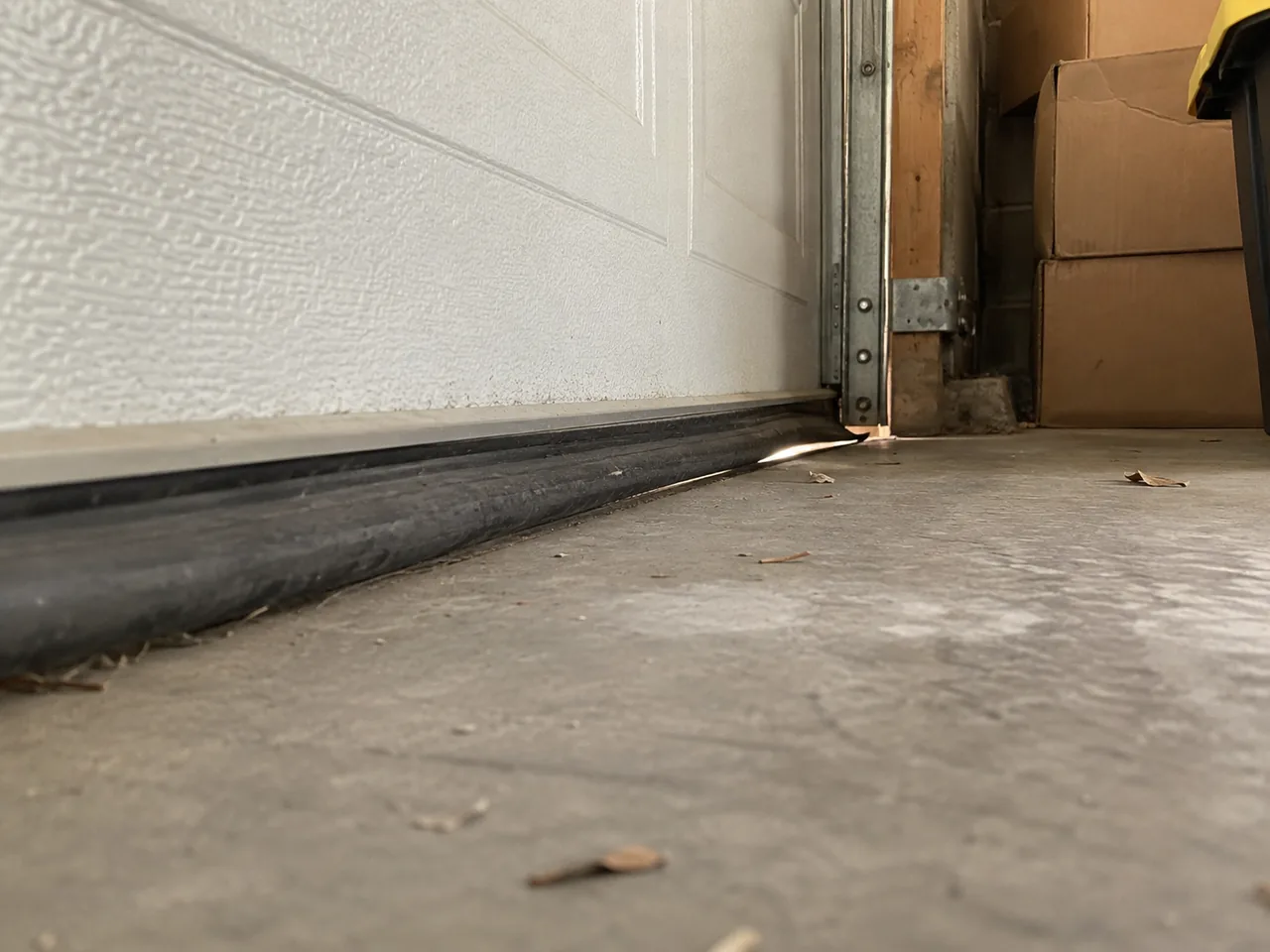
Cool nights can make a garage or wall void more attractive than the open yard. Yet a winter mouse sighting does not prove that mice arrived yesterday: house mice can live and breed around people throughout the year. The practical question is what the building offers and where the animals can enter or move.
Follow the pattern, not a single noise
Look for droppings, gnawing, disturbed food packaging and repeated sounds in the same areas. Note dates and locations. A noise above a ceiling alone does not identify a mouse; other animals and building sounds are possible. Check accessible garage-door edges, pipe penetrations, vents and storage areas without entering unsafe spaces.
Remove the welcome mat
Closed food containers, prompt cleanup of spills, sound trash storage and less clutter reduce accessible food and shelter. UC IPM notes that mice can pass through very small openings and that effective management combines sanitation, population control where needed and exclusion. A seal that looks neat may still leave other routes open; material choice matters because mice can gnaw through some common fillers.
Handle droppings carefully
Do not sweep or vacuum dry droppings. Follow current CDC cleanup guidance for ventilation, disinfection and disposal. If activity appears extensive or is in a difficult-to-access space, ask a professional to assess the conditions before moving stored items or closing openings. Discuss how current animals will be addressed alongside exclusion, and what follow-up will show whether the plan is working.
UC IPM: house mouse · CDC: cleaning up after rodents.
Questions homeowners ask
How small an opening should I worry about?
UC IPM reports that house mice can use openings around one-quarter inch high. Look carefully at garage-door seals and utility penetrations, but do not assume the first visible gap is the only one. Ask how the full perimeter and interior movement routes will be assessed.
Will traps alone prevent a return?
Traps may address current animals, but food, shelter and entry routes can continue to support activity. An effective discussion covers the current population, durable exclusion and follow-up observations. Keep children and pets in mind when choosing placement or products.
Check your service location
Service coverage is limited to 93550, 93551, 93552 and 93591 only. Confirm your address and appointment arrangements when calling.
Tell us what you’re seeing.
Available 24/7. Call to discuss your pest concern and appointment availability.